Wedding Bliss Scrapkit: Elevate Your Design Projects
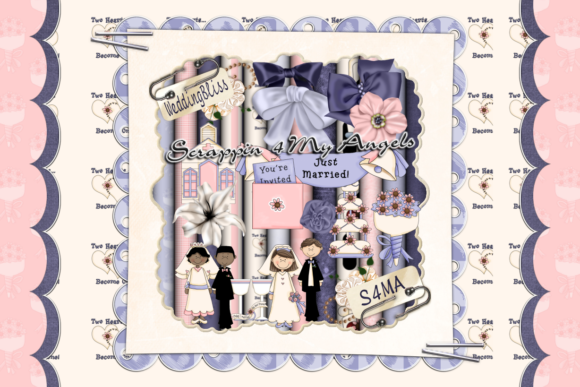
Imagine transforming a heartfelt celebration into a timeless visual narrative with a single, comprehensive design resource. The Wedding Bliss Scrapkit is exactly that—a meticulously curated collection designed to infuse romance, elegance, and professional polish into any creative project. As a graphic designer, having a versatile asset library like this can streamline your workflow, ensuring consistency and quality across multiple applications.
Understanding the Asset: A Foundation for Visual Storytelling
At its core, the Wedding Bliss Scrapkit is more than just a set of graphics; it is a cohesive design system. It includes 80 distinct elements and 32 backgrounds or papers, providing a rich palette for visual communication. This structure allows designers to build complex compositions without the constant need to source or create individual assets from scratch. The elements likely encompass motifs such as floral arrangements, decorative borders, typography accents, and thematic icons, while the papers offer varied textures, patterns, and color washes.
For professionals, the value lies in its pre-curated harmony. The color palette, style of illustration, and textural details are designed to work together, which is fundamental for maintaining a strong brand identity or a consistent aesthetic in a campaign. This eliminates the guesswork of matching disparate elements and helps uphold a high standard of visual hierarchy and readability.
Practical Applications Across Design Disciplines
The utility of a well-constructed scrapkit extends far beyond traditional scrapbooking. Its components are ideal for a range of modern graphic design and digital marketing needs.
- Branding & Logo Design: Use decorative elements as supplemental graphics for brand collateral, such as business cards, letterheads, and thank-you notes. The cohesive style helps reinforce brand identity.
- Marketing & Social Media Graphics: Create engaging posts, stories, and advertisements for platforms like Instagram and Pinterest. The backgrounds serve as perfect bases for text overlays, while elements can highlight promotions or key messages.
- Web & UI Design: Integrate subtle patterns or icons into website headers, landing pages, or digital invitations to enhance user experience with thematic flair.
- Editorial & Print Design: Enhance magazine layouts, wedding stationery, or event programs. The assets can add visual interest to spreads without overwhelming the typography.
- Packaging & Merchandise: Apply elements to product labels, gift tags, or promotional merchandise, adding a bespoke, crafted feel that resonates with audiences.
Tips for Effective Implementation
To maximize the impact of the Wedding Bliss Scrapkit, consider these design principles:
- Maintain Consistency: Select a limited subset of elements and papers that align with your project's color palette and tone. Overuse can lead to visual clutter.
- Prioritize Visual Hierarchy: Use larger, bolder elements to draw attention to key information, and employ subtler textures for background depth. This guides the viewer's eye effectively.
- Ensure Scalability: When incorporating elements into logo design or large-format prints, verify that the graphics maintain clarity at different sizes. Vector-based components are ideal for this.
- Blend with Typography: Pair the decorative graphics with clean, complementary typefaces. The contrast between ornate elements and legible text often creates a sophisticated, modern aesthetic.
- Adapt to the Audience: Consider the end-user's expectations. For a luxury brand, use the assets sparingly and with ample white space. For a festive social media post, a more layered approach might be appropriate.
Enhancing Creative Workflow and Output
Integrating a resource like the Wedding Bliss Scrapkit into your design workflow can significantly reduce production time while elevating the quality of the final output. It provides a springboard for design inspiration, allowing you to focus on strategic layout, messaging, and user engagement rather than starting from a blank canvas. The key is to use these assets as components within a larger system, ensuring they serve the project's communication goals rather than dominating them.
In the realm of visual design, the difference between good and exceptional often lies in the details—the subtle texture of a background paper, the precise placement of a decorative flourish, or the harmony between imagery and typography. Quality creative assets are not just decorations; they are tools for building emotion, clarity, and connection. By thoughtfully selecting and applying resources like this scrapkit, designers can craft experiences that are both visually stunning and deeply resonant, ultimately strengthening the impact of any creative project.